Planning
· Prepare garden soil for spring planting. Add generous amounts of
organic materials and other amendments, ideally using the results of a soil
analysis as a guide. Compost can be especially helpful if it is free from
weed seed and left on the surface.For more about soil testing, click here. Also, the Master Gardener help desk can test your pH.
· Prepare raised beds in areas where cold soils and poor drainage
are a continuing problem. Add organic matter if possible. A wooden or
other structure is not necessary, but it prevents soil from slumping out of bed
over time.
For more about raised beds, click here.
Maintenance and Clean Up
· Allow foliage of spring-flowering bulbs to brown and die down
before removing.
· Apply compost or fertilizer to cane, bush, and trailing berries.
Mulch to prevent weeds and moisture loss.
· Place compost or decomposed manure around perennial vegetables,
such as asparagus and rhubarb.
Mulch to prevent weeds and moisture loss.
· Optimum time to fertilize lawns, as long as heavy rains aren’t
expected. Apply no more than 1 pound nitrogen per 1,000 square feet of lawn. It's safest and kindest to our environment to use organic fertilizer. Reduce risks of run-off into local waterways by not fertilizing just prior to
rain, not over-irrigating, and keeping fertilizer away from drainage or very
wet areas.
· Optimum time of year to dethatch and renovate lawns. Moss is not a problem for most. It is green most of the year and never requires mowing or attention. If you really don't care for it anyway, consider shade tolerant plantings instead or if there is adequate sunlight, add lime and rake soil surface prior to
seeding with perennial ryegrass.
· Prune and shape or thin spring-blooming shrubs and trees after
blossoms fade.
Planting/Propagation
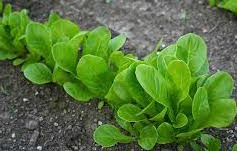
· It's a great time to start a vegetable garden. Among the
vegetables you can plant now - broccoli, brussels sprouts, cabbage, carrots,
cauliflower, chard, chives, endive, leeks, lettuce, peas, radishes, rhubarb, rutabaga,
spinach, and turnips.
Pest
Monitoring and Management
· Use traps or pet safe baits for slug control near susceptible
plants. Read and follow all label directions prior to using any chemical
control.
Did you know that invasive slugs brought from Europe are the ones that damage our plants? Did you know that some slugs and snails are good for your garden because they are predators of the damaging ones?? For more about slugs, click here.
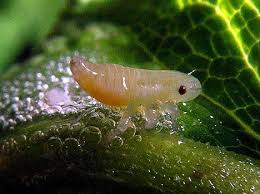
· Monitor strawberries and other plants for spittlebugs and
aphids; if present, wash off with water.
 |
| Spittlebug |
 |
| Aphids can be green, yellow, gray, brown, reddish, |
·
· Cut or pull weeds near the garden to remove potential sources of
plant disease. These are good to compost if they haven't gone to seed.
Turn pile if they begin to grow.
· Help prevent damping off of seedlings by providing adequate air
flow.